Sensenich Propeller – P/N 74DM6-0-60
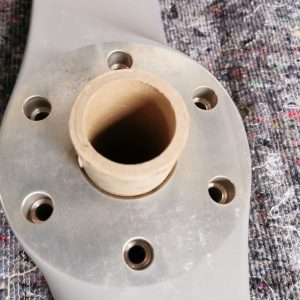
The Sensenich Propeller – P/N 74DM6-0-60
Whether buyers search for a Sensenich Propeller P/N 74DM6-0-60, Sensenich 74DM6 Propeller, or 74DM6-0-60 Aircraft Propeller, complete identification should guide the purchase.
A Sensenich Fixed-Pitch Propeller may also be categorized as a Sensenich Aluminum Propeller or Fixed-Pitch Aluminum Propeller when the exact material and configuration are confirmed.
Correct dimensional and installation research supports safer and more efficient propeller selection.
A Two-Blade Aircraft Propeller should be treated as one matched rotating assembly, while a Sensenich Aircraft Propeller should be identified through verified manufacturer markings.
Understanding the 74DM6-0-60 Model Number
A propeller should not be accepted as P/N 74DM6-0-60 solely because it resembles another Sensenich model shown in a catalog or online advertisement.
Original packaging can support the product history but does not replace inspection of the actual propeller.
Understanding New-Old-Stock Propeller Status
The seller should disclose the purchase date, ownership history, storage environment, packaging condition, and any previous trial fitting.
New, Never Installed.
How a Fixed-Pitch Aluminum Propeller Operates
A fixed-pitch propeller uses blade geometry manufactured or adjusted for a defined range of engine and aircraft operating conditions.
Fixed-pitch simplicity can reduce mechanical complexity compared with variable-pitch or constant-speed systems, but it does not eliminate inspection, balance, tracking, and maintenance requirements.
Evaluating Blade and Hub Condition
Metal construction does not eliminate the possibility of fatigue, corrosion, impact damage, improper material removal, dimensional loss, or storage deterioration.
Factory paint and protective coating should be checked for lifting, bubbling, scratches, abrasions, discoloration, and exposed metal.
Confirming the Propeller Diameter
The measurement should not be assumed from packaging labels or seller estimates alone.
Blade-tip shape, symmetry, and previous alteration can influence measurement accuracy.
Verifying the 74DM6-0-60 Pitch
The 60-inch pitch designation is an important specification that should be verified through model markings, suitable technical data, and professional measurement when required.
A never-installed propeller should still be reviewed for shipping distortion, impact, or manufacturing-record consistency.
Selecting an Approved Propeller Installation
Compatibility depends on the exact aircraft model, serial range, engine designation, propeller approval, hub, bolt pattern, diameter, pitch, and operating limitations.
A previous aircraft application can provide useful context but does not replace current approved technical data.
Maintaining Blade Symmetry and Balance
Both blades should maintain compatible dimensions, pitch relationship, contour, weight distribution, finish, and structural condition.
A never-installed propeller may still require static balance verification after extended storage or transportation.
Evaluating Mounting Holes and Surfaces
A genuinely never-installed propeller should not show unexplained fretting, bolt loading, or flange-contact patterns.
The propeller should never be drilled, forced, or modified to fit an incompatible engine flange.
Evaluating Scratches, Dents, and Finish Damage
Blade faces and backs should be examined for pressure marks, stains, chemical exposure, paint defects, surface distortion, and trapped contamination.
Trailing edges and blade tips should remain free from bending, cracking, deformation, edge damage, and inconsistent contour.
Maintaining the Factory Finish
A dry storage history can reduce corrosion risk but does not eliminate the need for inspection.
The propeller should not be stored directly on concrete floors, damp timber, unstable shelving, or unsupported blade tips.
Certified Aircraft Propeller Status
The buyer should confirm the data plate, serial number, production information, conformity records, release documents, and exact approved aircraft application.
A certified-design propeller can still require inspection after prolonged storage, transportation, environmental exposure, or handling.
Evaluating Release Paperwork
Original purchase paperwork may help establish the never-installed history.
Complete history supports future maintenance, installation research, and resale.
Buying the Sensenich 74DM6-0-60
Detailed review reduces unsuitable purchases and unexpected inspection costs.
- Resolve identity, applicability, dimensions, condition, and package-completeness questions before payment.
- Arrange qualified propeller evaluation whenever physical condition, dimensions, documentation, or installation eligibility remain uncertain.
- Inspect and photograph the propeller immediately after delivery before cleaning, measuring, balancing, repairing, mounting, or modifying it.
Shipping the Sensenich Propeller
Professional packaging helps preserve the never-installed condition.
The shipping crate should identify appropriate lifting and handling points so carriers do not use the propeller blades as handles.
Storing the 74DM6-0-60 Propeller
During storage, the propeller should remain clean, dry, supported, protected from impact, and separated from corrosive chemicals or uncontrolled environmental exposure.
Preservation materials should be removed using appropriate procedures before inspection or installation.
Preparing for Ground and Flight Checks
The technician should verify the complete model, serial number, diameter, pitch, hub, flange, bolt pattern, spacer arrangement, mounting hardware, torque procedure, and installation eligibility.
The propeller should seat correctly against the approved mounting arrangement without rocking, binding, forced alignment, or surface contamination.
After installation, technicians should verify security, propeller clearance, blade tracking, spinner alignment, hardware condition, and surrounding aircraft components before starting the engine.
Routine Sensenich Propeller Maintenance
Cleaning should use suitable materials and methods that do not attack aluminum, coatings, markings, or data plates.
The propeller should receive additional inspection after a suspected strike, sudden engine stoppage, overspeed, severe vibration, loose installation, lightning-related concern, or transportation impact.
Commercial Value of a New Sensenich Propeller
The commercial value of a new Sensenich propeller depends on exact identification, serial number, manufacturing date, storage history, dimensional conformity, factory finish, inspection status, traceability, and included accessories.
Buyers should compare complete and documented propeller packages rather than price alone.
Selecting a General Aviation Replacement Propeller
New, Never Installed can provide valuable replacement, restoration, new-construction, engine-installation, inventory, or resale potential when its identity, dimensions, storage history, condition, and applicability are verified.
The unit should not be judged solely through original packaging, clean factory paint, new wording, never-installed status, or purchase price.
Whether maintenance teams are sourcing a Two-Blade Aircraft Propeller, Sensenich Aircraft Propeller, Replacement Aircraft Propeller, or Certified Aircraft Propeller, professional inspection and installation should precede operational check here use.
New, Never Installed can deliver a professional combination of fixed-pitch simplicity, aluminum construction, replacement value, and general aviation application potential.